
Tile, Grout & Stone · 7 min read
Keeping Tile Floors Cleaner Between Professional Visits
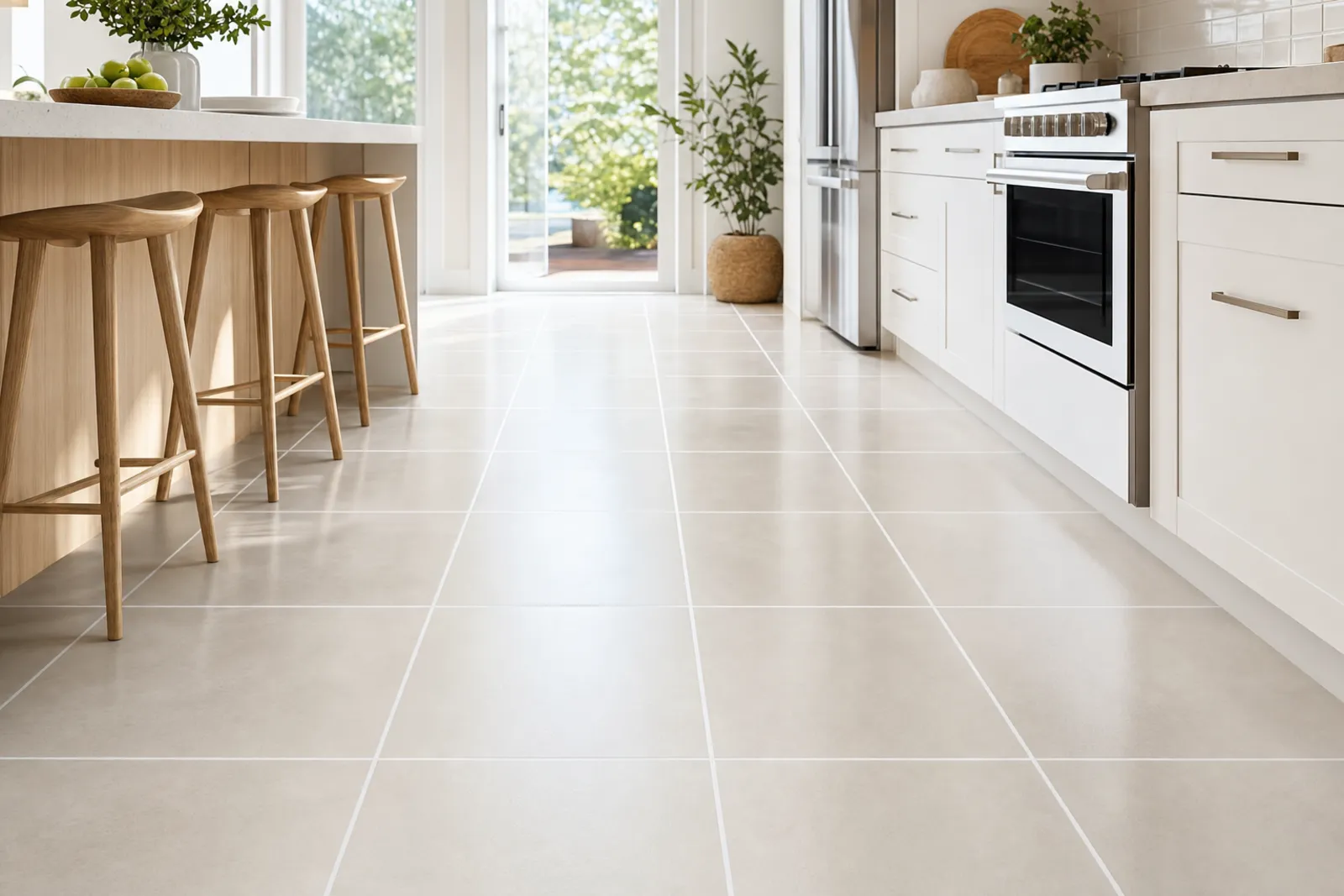
Tile is one of the most durable floors you can put in a house, but the grout lines running between the tiles are anything but durable. They are porous, they sit slightly below the tile surface, and they collect everything. Keeping your floors clean between professional visits is mostly about protecting that grout.
Understand What You Are Actually Cleaning
When people say a tile floor looks dirty, nine times out of ten they are looking at the grout, not the tile. Glazed ceramic and porcelain tile have a hard, sealed surface that wipes clean easily. Grout is a cement-based material full of tiny pores, and those pores act like a sponge for grease, foot traffic soil, and mop water that has gone gray. So the goal of routine maintenance is simple: keep soil from settling into the grout and staying there. Once you understand that, the daily and weekly habits make a lot more sense.
Natural stone tile, such as marble, travertine, or slate, is a different animal. The stone itself is porous and can be etched by acid, so the cleaning rules change. If your floor is stone rather than ceramic or porcelain, read our tile, grout, and stone cleaning guide before you reach for any product, because the wrong cleaner can permanently dull a stone surface.
Sweep or Vacuum Before Anything Else
Grit is the enemy. Sand, dust, and tracked-in soil are abrasive, and every time you walk across the floor you grind those particles into the tile glaze and down into the grout. Over a few years that abrasion dulls the finish and packs the grout lines with dark soil that no mop will lift.
The single most valuable habit is dry removal first, every time. Sweep with a soft broom or run a vacuum a few times a week in kitchens and entryways, and at least weekly elsewhere. If you vacuum, use the hard-floor setting or turn off the beater bar so you are not flinging grit around or scratching the surface. Removing dry soil before it gets wet is what keeps your mop water from turning into gray sludge that you then push into the grout.
Mop Less Water, Not More
Most homeowners use far too much water and far too much soap. A soaking-wet mop does two things you do not want. It drives dirty water into the grout pores, and it leaves a soap film behind that dries sticky and attracts the next round of dirt. That cycle is exactly why a floor can look worse a day after mopping than it did before.
This is the same low-moisture principle we use in our professional work. We clean carpets so they dry in about an hour rather than soaking them, and the logic carries straight over to tile: less water in, less soil and residue left behind. For routine mopping, wring the mop until it is just damp, work in small sections, and change your water the moment it looks dirty. A microfiber flat mop is far better than a string mop here because it holds less water and actually picks soil up instead of smearing it around.
Choose the Right Cleaner
You do not need a cabinet full of products. For most ceramic and porcelain floors, a bucket of warm water with a small splash of pH-neutral cleaner is plenty. The mistakes to avoid matter more than the brand you pick:
- Skip oil-based or wax-based soaps. Products that promise shine often leave a film that builds up and yellows over time, dulling the floor and trapping dirt.
- Go easy on acids. Vinegar gets recommended constantly online, but acid slowly eats at cement grout and will etch natural stone. Occasional diluted use on ceramic is fine; daily use is not.
- Avoid harsh bleach as a routine cleaner. It can discolor colored grout and breaks down sealer over time.
- Rinse if you used soap. A second pass with clean water removes the residue that would otherwise attract dirt.
As a certified-organic cleaning company, we lean toward non-toxic, hypoallergenic products in our own work, and they perform just fine for household maintenance. You do not need anything aggressive to keep a floor between professional cleanings; you need consistency and the right technique.
Deal With Spills and Stains Immediately
The difference between a stain and a wipe-up is usually about ten minutes. Grout will wick up coffee, wine, grease, and pet accidents quickly, and once a liquid has soaked in, it is much harder to remove. Blot spills right away rather than wiping them across a wider area, then clean the spot with a little neutral cleaner and rinse.
For greasy spots in a kitchen, a paste of baking soda and water worked gently into the grout with a soft brush lifts a surprising amount without harsh chemicals. Let it sit a few minutes, scrub lightly, then rinse. Resist the urge to use a wire brush or anything metal, which can gouge grout and scratch tile.
Keep the Grout Lines Honest
Even with perfect habits, grout darkens over time. Some of that is trapped soil, but some of it is the grout itself absorbing residue because the sealer has worn away. We get asked about this constantly, and it is worth understanding the real causes, which we break down in our article on why grout darkens over time. Knowing whether you are fighting surface soil or worn sealer tells you whether scrubbing will help or whether it is time for a professional cleaning.
Between deep cleanings, a soft nylon grout brush and a little neutral cleaner will keep the lines looking even. Work the brush along the grout, not across it, and do a small test area first. This kind of light maintenance scrubbing every month or two in high-traffic rooms makes a real difference and stretches the time between professional visits.
Sealing and Color-Sealing Are What Make Maintenance Easy
Here is the honest truth about tile maintenance: the cleaner your grout stays between visits, the more it comes down to whether the grout is sealed. A penetrating sealer fills the pores so spills bead up and soil sits on top where you can wipe it away instead of soaking in. Sealer wears off with traffic and cleaning, which is why grout that was easy to keep clean a few years ago suddenly stains at the first spill. If you are not sure whether yours needs it, our piece on whether you should seal your grout walks through how to test it.
For grout that is permanently discolored or unevenly stained, color sealing is often the better answer than chronic scrubbing. It restores a uniform color and lays down a protective coating in one step, so daily maintenance becomes wiping instead of fighting. We handle sealing as part of our professional tile and grout cleaning, and most homeowners are surprised how much less work the floor is afterward.
Set a Realistic Cleaning Rhythm
You do not need to do everything every day. A simple schedule keeps floors looking good without becoming a chore:
- Daily or as needed: sweep or spot-wipe high-traffic spots and kitchens; blot spills immediately.
- Weekly: vacuum or sweep thoroughly, then damp-mop with a barely-wet microfiber mop and neutral cleaner.
- Monthly: a light grout-line brushing in the busiest rooms, plus a water-only rinse pass to clear any residue.
- Every one to two years: a professional deep cleaning and reseal, depending on traffic and whether you have pets or kids.
That last step matters because home cleaning, no matter how careful, cannot pull soil out of the bottom of the grout pores the way professional extraction can. The routine maintenance buys you time and keeps the floor looking good; the periodic deep clean resets it. Homeowners around Princeton and the rest of Mercer County often wait until grout has gone several shades darker before calling, and a regular schedule prevents that. If you are local, our tile and grout cleaning in Princeton, NJ covers the same low-moisture, certified-organic approach we use everywhere.
Stay on top of the simple habits and your tile will look great for years between visits. When it is time for a deep clean and reseal, AllState Cleaning is happy to help. Call us at 609-586-5833 for a free, no-pressure quote.
Frequently asked questions
For most homes, a thorough damp-mop once a week is plenty, with daily spot-cleaning of kitchens and entryways. Always sweep or vacuum first so you are not pushing grit and gray water into the grout.
Occasional diluted vinegar is fine on glazed ceramic or porcelain, but acid slowly erodes cement grout and will etch natural stone. For routine cleaning, a pH-neutral cleaner is the safer choice.
Usually the sealer has worn off, so the porous grout absorbs spills and soil quickly. It can also mean the previous cleaning only removed surface dirt rather than extracting soil from deep in the pores.
A microfiber flat mop, used barely damp, beats a string mop because it holds less water and actually picks soil up instead of smearing it around. Less water means less residue left to attract dirt.
If water soaks into your grout instead of beading on top, the sealer is gone and resealing will make the floor far easier to keep clean. Sealing keeps spills on the surface where you can wipe them away.
Every one to two years is a good rule for most households, sooner for homes with heavy traffic, pets, or kids. Professional low-moisture extraction removes soil that home mopping simply cannot reach.