
Rugs · 5 min read
Rug Padding: Protecting Floors and Extending Rug Life
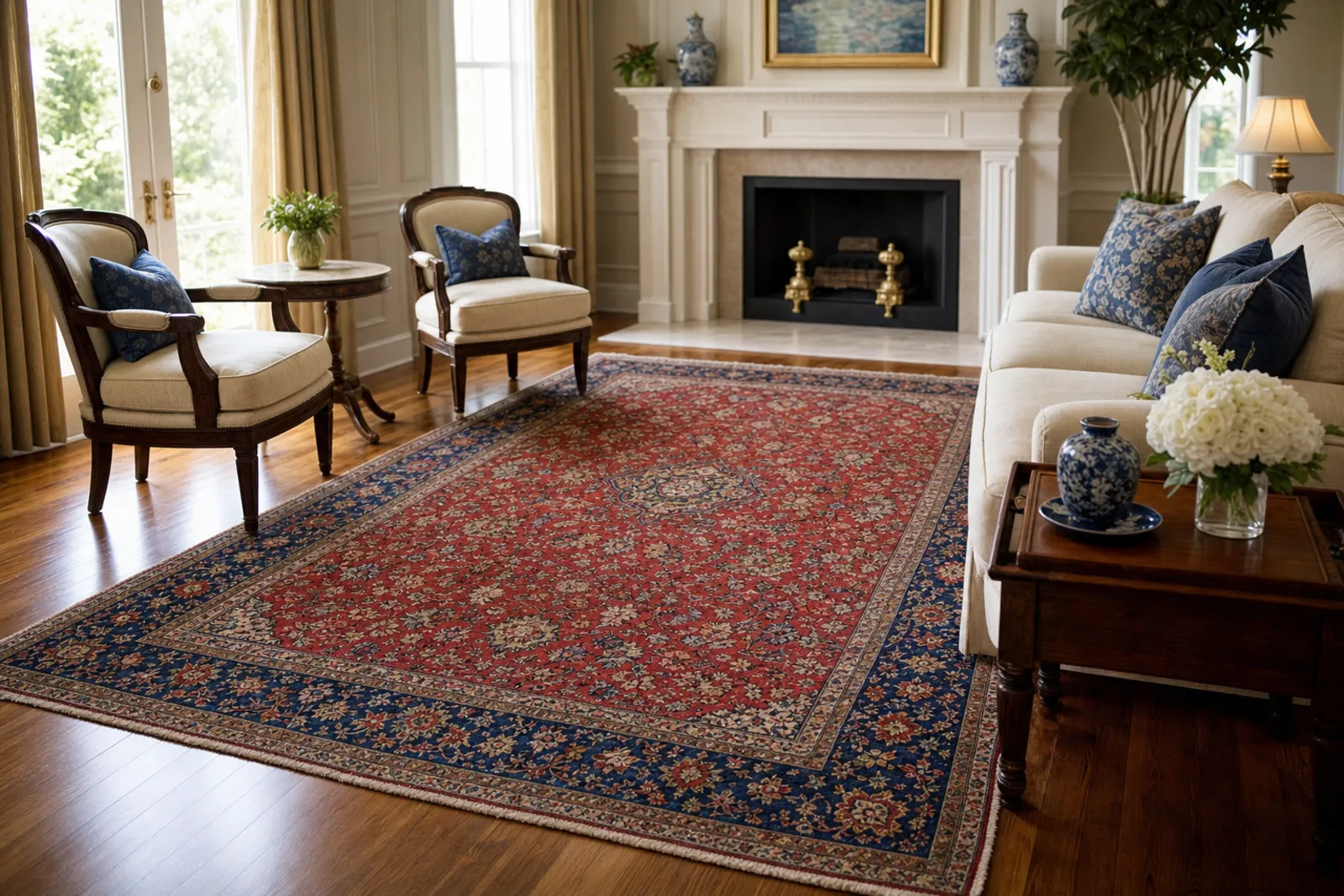
A good rug pad is the cheapest insurance you will ever buy for both your rug and the floor underneath it. After 35 years and tens of thousands of jobs across Mercer and Bucks County, we have seen exactly what happens to rugs that sit on bare floors, and it is almost always avoidable.
Why a Rug Pad Matters More Than People Think
Most homeowners treat the pad as an afterthought, something you toss under the rug if you happen to have one lying around. That is a mistake. The pad does three jobs at once: it keeps the rug from sliding, it cushions foot traffic so the fibers crush more slowly, and it creates a thin air gap that lets the rug breathe and protects the floor finish below.
When a rug lies flat on hardwood, laminate, or tile, every footstep grinds grit straight into the foundation of the rug and back into the floor. That grit acts like sandpaper. Over a few years it wears the pile down at the traffic lanes and dulls the floor finish in the same footprint. A pad lifts the rug just enough to break that direct contact, and the difference in wear over a decade is dramatic.
The Floor-Protection Side of the Equation
Floor damage from the wrong pad is one of the most common problems we are called about, and it is heartbreaking because it is permanent. Cheap foam and waffle-style pads with adhesive backing are the worst offenders. The plasticizers in those materials react with floor finishes, especially on polyurethane-sealed hardwood, and leave a yellow or sticky haze that bonds to the wood. Once it has reacted, no cleaning removes it; the floor has to be refinished.
If you have hardwood or any sealed floor, never use a foam pad with a tacky or glossy coating. The safe choices are a natural-rubber pad or a felt-and-natural-rubber combination. These hold without chemically attacking the finish, and a quality one will last as long as the rug.
How a Pad Extends the Life of Your Rug
The single biggest enemy of any rug is crushed, abraded pile in the walkways. A pad absorbs the impact of foot traffic before it reaches the foundation, so the knots and weave flex instead of grinding against a hard surface. On hand-knotted wool and other valuable pieces, this is the difference between a rug that lasts three generations and one that looks tired in fifteen years.
A pad also stops the constant micro-movement that breaks down a rug from the inside. When a rug slides even a fraction of an inch with each step, the foundation threads work against each other and eventually crack, particularly along folds and edges. Anchoring the rug stops that flexing. If you want the full picture on protecting a fine piece, our guide to caring for an Oriental or Persian rug covers rotation, vacuuming, and storage alongside padding.
Choosing the Right Pad for Your Rug and Floor
There is no single best pad; the right one depends on what is under the rug and how the rug is used. Here is how we sort it out for clients:
- Hard floors (hardwood, tile, laminate, vinyl): a felt-and-natural-rubber pad. The felt gives cushion, the rubber grips without staining.
- Wall-to-wall carpet: a thin, dense pad designed to keep an area rug from “walking” across the carpet. Standard hard-floor pads do not grip carpet well.
- High-traffic hallways and entries: a low-profile rubber pad so the rug stays put and you do not catch a toe on a thick edge.
- Antique or fragile rugs: all-natural felt or wool felt, nothing with synthetic adhesives that can off-gas into the fibers over time.
Buy the pad slightly smaller than the rug, roughly one inch in from each edge. That keeps the pad hidden and lets the rug edges taper to the floor so they do not curl or become a trip hazard.
Pads, Moisture, and Cleaning
This is where our work as textile cleaners overlaps directly with padding. A pad that traps moisture is a problem. Solid rubber sheeting and certain foams seal the back of the rug against the floor, and if anything spills or the humidity climbs, that trapped dampness has nowhere to go. The result is mildew, odor, and color bleed from the back of the rug forward. Open-construction felt-and-rubber pads breathe, which is why we recommend them.
Because we clean with a certified-organic, low-moisture method, your rug dries in about an hour and goes back down on a dry pad with no lingering dampness underneath. If a rug has been sitting on a non-breathing pad for years, we often find the back of the foundation needs attention too, which is one reason we sometimes recommend full-immersion plant cleaning over in-home service. The trade-offs between the two are laid out in our breakdown of in-home versus plant rug cleaning, and the fiber-specific cautions live in our notes on wool, silk, and viscose rug care.
Caring for the Pad Itself
A pad is not maintenance-free. When you have your rug professionally cleaned, the pad should come up too. Vacuum both sides, check for any sign of moisture or staining on the floor, and let the floor air out before the rug goes back down. Most quality felt-and-rubber pads last seven to ten years; once the rubber gets brittle or the felt compresses flat, it has stopped doing its job and should be replaced. If you are unsure whether your current pad is helping or quietly harming your floor, ask us when we are out for a cleaning. We pull up a lot of rugs in Princeton and the surrounding towns, and we will tell you honestly what we find underneath. For a wider look at routine upkeep, our complete rug cleaning guide ties it all together.
If you would like a straight answer on the right pad for your floors, or it is time to have your rugs cleaned and the pads checked, we are happy to help. Call AllState Cleaning at 609-586-5833 for a free, no-pressure quote.
Frequently asked questions
Yes. A pad keeps the rug from sliding, cushions foot traffic so the pile lasts far longer, and protects the floor underneath from grit and wear. It is the cheapest way to extend the life of both rug and floor.
Use a felt-and-natural-rubber pad. Avoid cheap foam or adhesive-backed waffle pads, because their plasticizers can react with the floor finish and leave permanent staining.
A bad one can. Foam and PVC pads with sticky or glossy coatings can bond to polyurethane finishes and leave a yellow, sticky haze that requires refinishing to remove. Natural-rubber and felt pads are safe.
About one inch smaller than the rug on every side. That keeps the pad hidden and lets the rug edges lie flat against the floor instead of curling.
Non-breathing solid rubber and foam pads can trap moisture against the rug back and floor, leading to mildew, odor, and color bleed. Open felt-and-rubber pads let the rug breathe and prevent this.
A quality felt-and-natural-rubber pad lasts about seven to ten years. Once the rubber turns brittle or the felt compresses flat, it has stopped protecting the rug and should be replaced.