Organic Method & Seasonal · 7 min read
New Baby or New Pet? Prep Your Floors the Safe Way
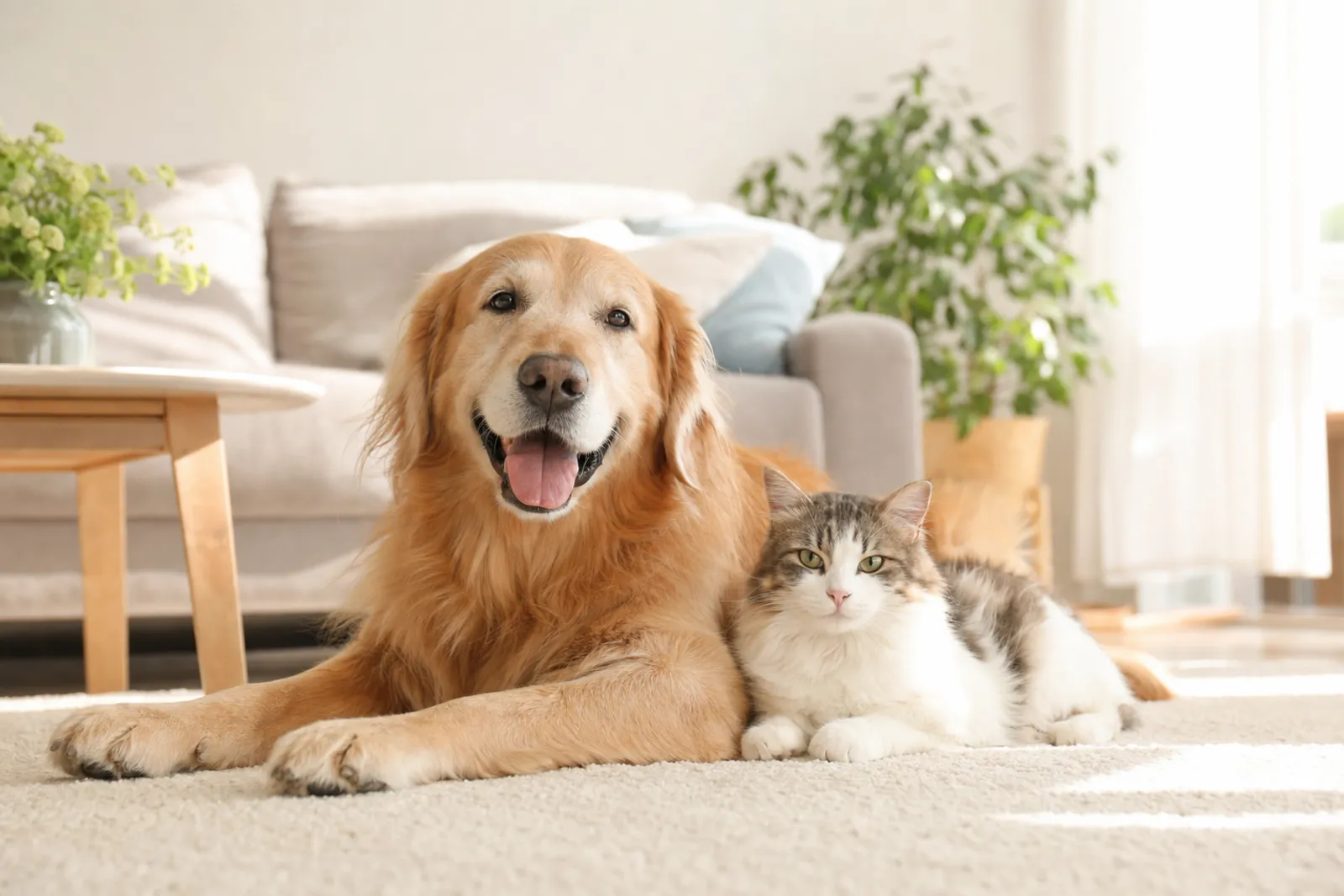
A baby on the floor and a puppy in the house both put the same surface to the test: the one your family touches most and cleans least carefully. Getting carpets and rugs right before the new arrival is far easier than scrambling after the first accident or the first crawl.
Why the floor matters more for babies and pets
An adult spends almost no time at floor level. A crawling baby spends hours there every day, face down, hands in the fibers, then those hands in the mouth. A new puppy or kitten is at the same height, sniffing, licking, and shedding into the carpet. Whatever is in your carpet, they are in closer contact with it than anyone else in the home.
Carpet is not just a surface; it is a filter. It traps dust, dander, pollen tracked in from the yard, and the residue of every product ever used to clean it. That filtering is actually useful, because it pulls particles out of the air, but a full filter stops working and starts releasing what it holds. For a household about to add someone who lives at floor level, the goal is a carpet that is genuinely clean and free of leftover chemistry, not just one that looks fine from standing height.
Start with what is already in your carpet
Before you add anything, deal with what is there. Most carpets carry a hidden load of fine soil and old cleaning residue, especially if they have been treated with off-the-shelf shampoos or rented machines. Those products often leave a sticky surfactant film behind that attracts dirt and stays in the fibers where small hands and paws meet them.
A thorough professional cleaning before the baby or pet arrives resets the carpet. The point is not appearance. It is removing the accumulated allergens and chemical residue so you start from a known-clean baseline. If you have only ever done DIY cleanings, a proper extraction will pull out a surprising amount of what those methods left behind. This is the single most useful thing most families can do, and it is worth understanding what certified-organic cleaning actually means before you book it, so you know what is going onto the surface your child will crawl on.
The case for certified-organic, low-moisture cleaning
Here is the honest version of the green-cleaning conversation. Plenty of products are marketed as “natural” or “eco” with very little behind the label. The term that carries weight is certified organic, meaning a third party has verified the ingredients, not just the marketing. If you want to understand the difference, it is worth reading whether green carpet cleaners are really green, because the gap between claim and reality is wide.
For a home with a baby or a pet, certified-organic products matter for a simple reason: there is no harsh chemical residue left in the fibers for them to contact or breathe. We use non-toxic, hypoallergenic solutions for exactly this audience. The other half is the method. Our low-moisture approach uses far less water than traditional steam cleaning, which means carpets dry in about an hour instead of overnight. That fast dry time is not a convenience feature; it is a health feature. Carpet that stays damp for a day is a place where mold and bacteria grow, and that is the last thing you want under a crib or a pet bed.
Set up safe zones before the arrival
Plan where the baby or pet will actually spend time and treat those areas first. A nursery, a play corner, the spot by the back door where the dog comes in muddy, the area around food and water bowls. These take the most contact and the most abuse, so they deserve the most attention.
- Nursery and play areas: have these cleaned last before move-in so they have the longest stretch of being untouched and freshly clean.
- Entry points: place washable mats inside and outside doors to catch what gets tracked in before it reaches the main carpet.
- Feeding zones: expect spills and drool here; a small washable rug over the carpet saves the carpet underneath.
- Pet rest spots: washable bedding plus a protected patch of floor keeps dander and odor contained to one manageable area.
Build a spill plan you can actually follow at 2 a.m.
Accidents are not an “if.” They are a “when,” and they usually happen when you are exhausted. The difference between a stain that disappears and one that sets for good is almost entirely about the first ten minutes, so decide your routine now while you can think clearly.
- Blot, never rub. Press a clean white cloth straight down to lift the liquid. Rubbing drives it deeper and frays the fibers.
- Work from the outside in. This keeps the spot from spreading wider.
- Use plain water or a tested, gentle solution first. Skip the bright-colored stain products near a baby or pet; many leave residue or contain dyes and solvents you do not want at floor level.
- Rinse and blot dry. Any cleaner left behind becomes a dirt magnet and a residue your family touches.
- Do not soak it. Over-wetting pushes the spill into the backing and the pad, where it can wick back up and grow mold.
Keep a small spill kit ready: white cloths, a spray bottle of water, and an enzyme-based cleaner safe for the situation. For anything large, set in, or smelly, call a professional before you experiment, because the wrong home remedy can lock a stain in permanently.
Pet accidents and odor: why it is different
Pet urine is a special problem and deserves its own paragraph. It soaks past the carpet face into the backing and the pad underneath, where surface cleaning never reaches. The smell you notice on a humid day is coming from those deeper layers, not the top. Worse, dogs and cats are drawn back to spots that still smell like a bathroom to their nose, even when your nose says it is clean, which is how one accident becomes a habit.
This is why true pet-odor work means treating the contamination at its source, often with enzyme treatments that break down the proteins causing the smell rather than masking them. Air fresheners and surface sprays just postpone the problem. If you are housebreaking a puppy and the same spot keeps reappearing, a deep treatment that addresses the pad and backing is usually what finally ends the cycle.
Keep the air clean, not just the carpet
Cleaning the carpet is half the job; keeping it clean between professional visits is the other half. Babies and pets both add to the dust and dander load in a home, and a fresh carpet does not stay fresh on its own.
- Vacuum more than you think you need to, slowly, with a clean HEPA filter. Slow passes pull out far more than fast ones.
- Use a doormat system and consider a shoes-off rule, which is one of the most effective ways to cut what enters the carpet in the first place.
- Wash pet bedding weekly so it does not become a reservoir of dander that redistributes across the floor.
- Address spills immediately, every time, so nothing has a chance to set or feed mold.
These habits are part of a broader approach to reducing indoor allergens at home, which matters even more when a baby’s developing lungs or a pet’s sensitivities are in the picture. A clean carpet and a thoughtful routine work together; neither does the job alone.
When to call a professional and what to expect
Plan a professional cleaning before the arrival, then schedule regular cleanings on a cadence that fits your household. Most families with a young child or a pet do well with a cleaning every six to twelve months, sooner if you have an active shedder or a frequent spiller. Folding it into your seasonal cleaning routine is an easy way to remember.
When you book organic carpet cleaning with us, you get certified-organic, non-toxic products, low-moisture cleaning with about a one-hour dry time, and the backing of our guarantees: you must be happy or it is free, a one-year written warranty, and our 200% No-Risk Guarantee. As an IICRC Certified Master Restorer and Senior Carpet and Textile Inspector, we treat your specific carpet and fibers correctly rather than applying one method to everything. Families across Mercer County and Bucks County rely on us, and our carpet cleaning in Princeton, NJ and the surrounding towns is built around exactly these everyday realities of kids, pets, and the messes that come with them.
Getting your floors ready for a new baby or pet is one of the easiest wins before the big change. Call us at 609-586-5833 for a free quote and we will help you start them off on a genuinely clean, safe surface.
Frequently asked questions
Before. Cleaning ahead of time resets the carpet to a clean baseline and removes accumulated allergens and old chemical residue, so your baby starts on a genuinely clean surface from day one.
Certified-organic, non-toxic, hypoallergenic products are formulated to leave no harsh chemical residue in the fibers, which is exactly what you want for a household with someone living at floor level. Look for third-party certification rather than vague 'natural' marketing claims.
About an hour. Our low-moisture method uses far less water than traditional steam cleaning, so carpets are dry quickly and you avoid the prolonged dampness that can grow mold and bacteria under cribs and pet beds.
Blot straight down with a clean white cloth, work from the outside in, and avoid soaking the area. For odor that keeps a pet returning to the same spot, you usually need an enzyme treatment that reaches the backing and pad, so call a professional rather than relying on sprays.
Most families with a young child or a pet do well with a professional cleaning every six to twelve months, sooner if you have a heavy shedder or frequent spills. Tying it to your seasonal cleaning routine makes it easy to remember.
Yes. AllState Cleaning serves 23 towns across Mercer County, NJ and Bucks County, PA, including Princeton, Hamilton, Lawrenceville, Pennington, Robbinsville, Newtown PA, and Yardley PA. Call 609-586-5833 (NJ) or 215-897-9511 (PA).