Pet Odor & Stain Removal · 7 min read
Subfloor & Padding Saturation: When the Carpet Isn’t the Problem
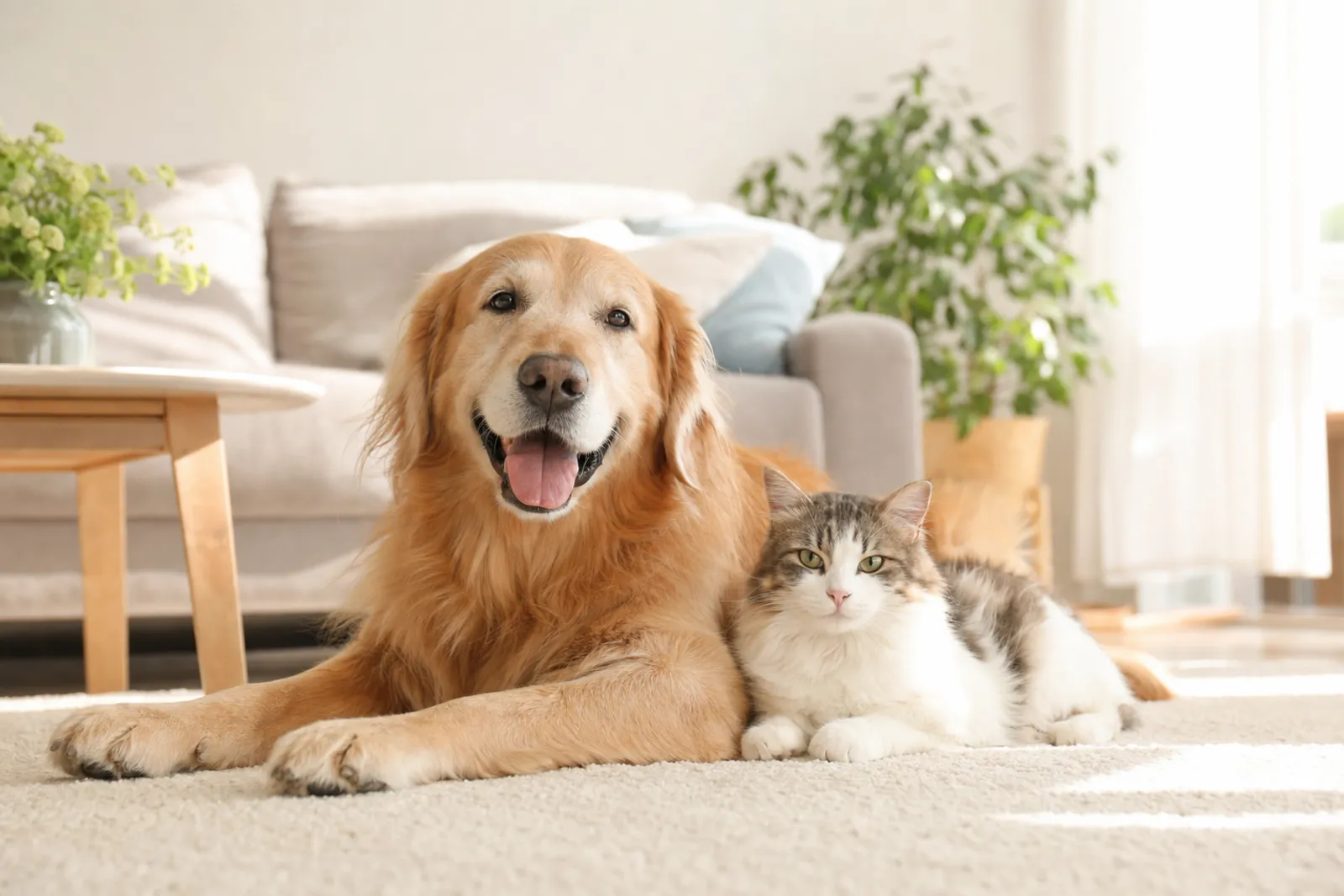
When pet odor keeps coming back after a thorough cleaning, the carpet is rarely the real culprit. The damage has usually soaked past the fibers and into the padding and subfloor underneath, where surface cleaning can’t reach it.
Why the Carpet Gets Blamed for a Subfloor Problem
Carpet is the only part of the floor you can see, so when a room smells like urine, that’s what people reach for with a bottle of cleaner. But carpet face fiber is only the top layer of a four-part system: the fiber, the primary and secondary backing, the cushion (padding) underneath, and the subfloor below that. Urine is a liquid, and liquids follow gravity. A puddle that sits on the surface for more than a minute or two wicks straight down through the backing and into the padding, which is essentially a sponge.
Once it’s in the padding, the urine spreads outward and downward. The stain you see on top might be the size of a coffee cup, while the contamination in the cushion is the size of a dinner plate. By the time a dog or cat has used the same spot repeatedly, the padding can be saturated across a wide area and the urine has reached the wood, concrete, or plywood subfloor beneath. Cleaning the carpet face at that point is like mopping the lid of a trash can and wondering why it still smells.
How Far Down Urine Actually Travels
The depth depends on three things: how much urine, how often, and how long it sat. A single accident from a small dog, blotted quickly, may never get past the backing. But chronic marking in one corner, or a large dog with a full bladder, drives liquid all the way through.
- Through the carpet backing within seconds to minutes for a fresh, large deposit.
- Into the padding, where it spreads laterally because the cushion is porous and there’s nowhere else for it to go.
- Onto the tack strip and subfloor, where it pools at seams, nail holes, and the perimeter of the room.
- Into the subfloor itself — porous concrete and untreated plywood both absorb urine and hold it.
This is the core reason odor returns. The difference between a surface accident and a deep one is largely a matter of timing, which is why understanding the gap between fresh and set-in pet stains matters so much before you decide how aggressively to treat a spot.
The Chemistry: Why Old Urine Smells Worse Than Fresh
Fresh urine is mildly acidic and, frankly, not that hard to deal with. The problem is what happens as it dries and ages. Urine contains urea, uric acid, and various salts. As bacteria break it down, the pH climbs and it becomes alkaline, releasing ammonia — that sharp, eye-watering smell. The uric acid crystals are the real villains, because they don’t dissolve in water and they reactivate every time humidity rises.
That’s the maddening cycle homeowners describe: the carpet smells fine on a dry day, then the odor comes roaring back when it rains or the humidity spikes. The crystals are still down in the padding and subfloor, pulling moisture from the air and off-gassing again. If you’ve ever wondered why pet urine odor keeps returning no matter how many times you clean, dormant uric acid crystals in the cushion are almost always the answer.
Why Surface Cleaning and DIY Sprays Fall Short
Store-bought sprays and rental machines work on the top half-inch of carpet. They’re not designed to flush contamination out of padding, and they physically can’t reach the subfloor. A few specific problems make DIY worse, not better:
- Masking instead of removing. Many consumer products use heavy fragrance to cover odor. The smell comes back because the source is untouched.
- Driving moisture deeper. Soaking a spot with a spray bottle or over-wetting it with a rental extractor can push diluted urine further into the cushion and subfloor, enlarging the contaminated zone.
- Wrong chemistry. Acidic or general-purpose cleaners don’t break down uric acid crystals. You need an enzyme or oxidizer that actually digests the source, applied where the source actually is.
- No dwell time or no extraction. Even the right product fails if it isn’t given time to work or isn’t pulled back out along with the contamination.
For the difference in how the two main offenders behave, it’s worth reading up on how dog and cat urine odor differ — cat urine is more concentrated and tends to penetrate further per accident, which is why feline problems so often turn into subfloor problems.
How a Professional Diagnoses Saturation
You can’t fix what you can’t find, and the contaminated area is almost never just the visible stain. A proper inspection uses tools, not guesswork.
Moisture meters and UV light
A UV (black) light reveals dried urine deposits that are invisible in normal light — they fluoresce. This maps the true footprint of the damage, which is often several times larger than what the eye sees. A moisture meter confirms whether the padding and subfloor are still holding liquid.
The pull-back test
In serious cases, lifting a corner of the carpet to inspect the padding and subfloor directly is the only honest way to grade the damage. Brown or yellow staining on the underside of the carpet and on the subfloor tells you how deep it went. As an IICRC Certified Master Restorer and Senior Carpet and Textile Inspector, this is the assessment we make before quoting any pet job — because promising odor removal without knowing the depth is how other companies set themselves up to fail.
What Real Treatment Looks Like at Each Level
The right approach scales to the severity. Not every accident needs the carpet pulled up, and a good cleaner won’t upsell you into demolition you don’t need.
- Surface and backing only: a thorough, properly extracted treatment with the correct enzyme or oxidizing agent removes the source while it’s still shallow.
- Padding involvement: the contaminated section of cushion is treated through the carpet, or in worse cases the padding is replaced — it’s the cheapest part of the floor and not worth saving once it’s heavily saturated.
- Subfloor saturation: the carpet is pulled back, the subfloor is cleaned and treated, and porous concrete or plywood may be sealed with a specialized primer to lock in any residual odor before new padding goes down and the carpet is re-stretched.
Sealing the subfloor is the step DIY can never replicate, and it’s frequently the line between odor that’s gone for good and odor that returns next summer. For a fuller walkthrough of the process and what to expect, our complete guide to pet odor and stain removal lays it out step by step.
The Certified-Organic, Low-Moisture Advantage
Pet problems usually mean treating the places where people and animals actually live and breathe — the floor of a bedroom, a family room, a child’s play area. Harsh solvents and high-residue products are exactly what you don’t want ground into a carpet your dog naps on. Our certified-organic, non-toxic, hypoallergenic products break down the urine source without leaving behind a chemical load that lingers in the home.
The low-moisture method matters here for a practical reason too: over-wetting is one of the main ways DIY attempts push contamination deeper and invite mold under the carpet. A controlled, low-moisture process puts cleaning agents where they’re needed and pulls them back out, with carpets typically drying in about an hour rather than staying damp for a day. That combination — effective on the source, gentle on the home, and dry fast — is the heart of our organic pet odor and stain removal work.
When to Call Instead of Cleaning Again
There’s a point where buying another bottle of spray is throwing good money after bad. Call a professional when you notice any of these:
- Odor that returns when it’s humid or after the carpet gets damp.
- A spot a pet keeps returning to — repeat marking almost always means deep contamination.
- Staining visible on the underside of the carpet or on the baseboards.
- Any large accident from a sizable dog, or chronic accidents in one area.
- Odor that’s stronger near the floor or strongest in one corner of the room.
The longer urine sits in the padding and subfloor, the more it spreads and the more it costs to fix. Catching it before it reaches the subfloor is always cheaper than treating it after.
If your home has a pet odor that won’t quit, we can tell you exactly how deep it goes before you spend another dime. Call AllState Cleaning at 609-586-5833 for a free, no-pressure quote and an honest assessment of what your floor actually needs.
Frequently asked questions
The cleaning only treated the carpet surface, but the urine soaked into the padding and subfloor underneath where surface products can't reach. Dried uric acid crystals down there reactivate with humidity and release odor again.
A large or repeated accident travels through the carpet backing, into the padding, and onto the subfloor within minutes. Porous concrete and untreated plywood then absorb and hold the urine.
No. Consumer sprays and rental machines only work on the top half-inch of carpet and can't flush the padding or reach the subfloor. They often mask odor with fragrance or push contamination deeper.
We use a UV black light to make dried urine fluoresce and map the true footprint, plus a moisture meter to check the padding and subfloor. In serious cases we lift a corner of the carpet to inspect directly.
No. Many accidents are treated through the carpet without removal. We only pull it back when the padding or subfloor is heavily saturated, and a good cleaner won't recommend demolition you don't need.
Yes. We use certified-organic, non-toxic, hypoallergenic products and a low-moisture method, so there's no harsh chemical residue left in areas where your family and pets live, and carpets dry in about an hour.