Pet Odor & Stain Removal · 6 min read
Does Carpet Cleaning Remove Fleas or Pet Dander?
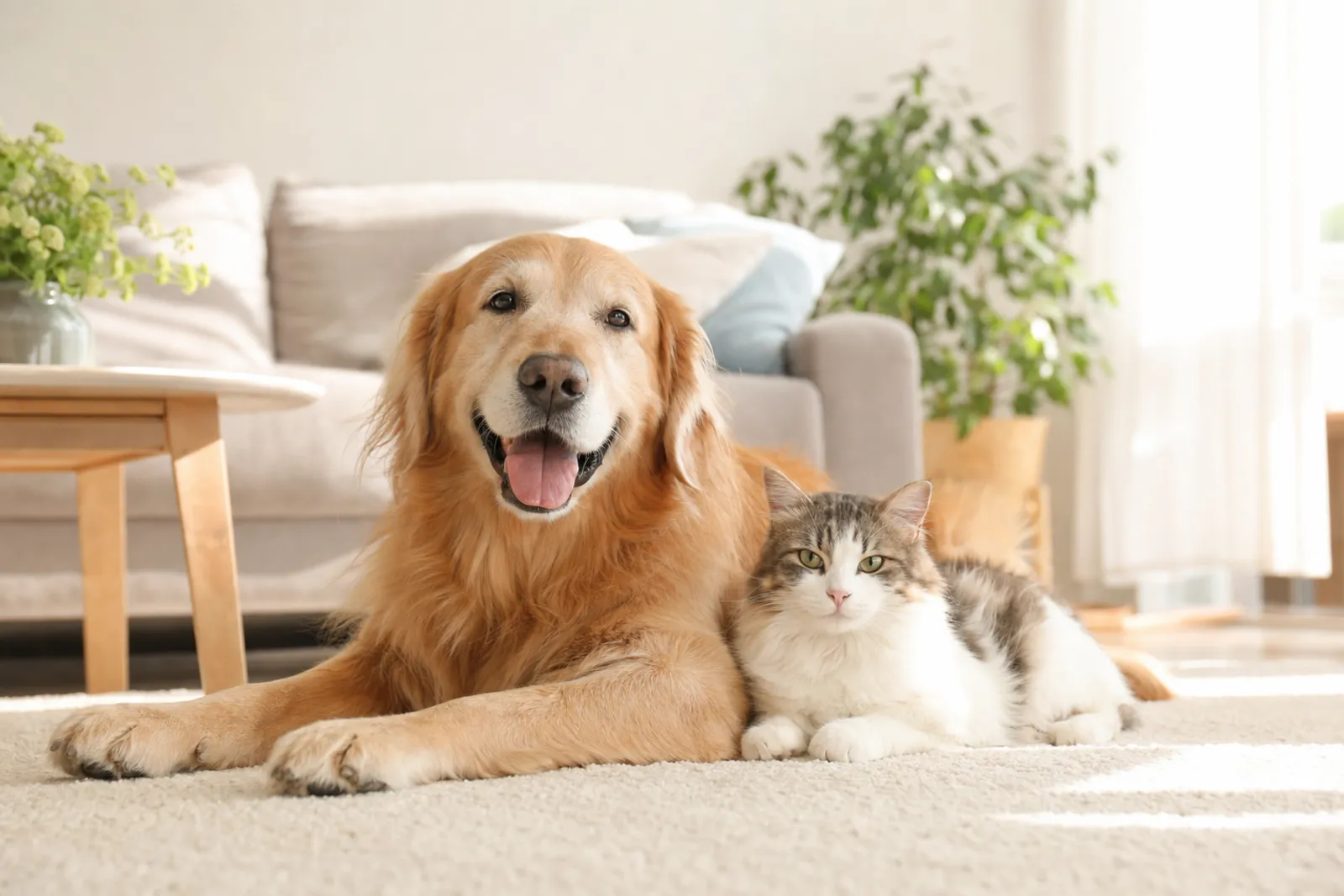
Short answer: professional carpet cleaning removes a lot of pet dander and can knock back a flea problem, but it is not a flea treatment on its own. Here is how each one actually behaves in carpet, and what cleaning does and does not do.
Fleas and pet dander are two different problems
People lump them together because both come from pets and both end up in the carpet, but they behave nothing alike. Pet dander is dead skin flakes plus dried saliva and urine proteins. It is inert. It sits in the fibers and the backing, it gets stirred into the air when you walk, and it is the thing most people are actually allergic to. It does not reproduce, it does not move, it just accumulates.
Fleas are living insects with a four-stage life cycle: egg, larva, pupa, adult. Only the adults live on the animal. The eggs roll off the pet and fall into your carpet, furniture, and pet bedding, where they hatch into larvae that burrow down toward the backing to avoid light. The reason this matters for cleaning is simple: the eggs and larvae are deep in the pile, and the pupae are wrapped in a sticky, protective cocoon that resists almost everything. That cocoon is why fleas come back two weeks after you thought you won.
Does carpet cleaning remove pet dander? Mostly yes
This is where cleaning genuinely shines. Dander is fine, dry, and lodged down in the pile, which is exactly why ordinary vacuuming leaves a lot of it behind and why allergy symptoms hang around even in a house that looks clean. A thorough professional clean attacks it on two fronts. First, proper agitation and high-suction extraction physically lift dander, hair, and the dried protein residue out of the fibers instead of just skimming the surface. Second, flushing the pile removes the saliva and urine proteins that are the real allergen, not the hair itself.
For allergy households this is the most useful thing carpet cleaning does, and it is also where our method matters. We use certified-organic carpet cleaning products that are non-toxic and hypoallergenic, so we are not trading a dander problem for a chemical-residue problem. Harsh detergents leave a sticky film that grabs new dander and dust faster than a clean fiber would, which is part of why some carpets re-soil quickly after a cheap cleaning. A low-residue clean stays cleaner longer, and because we clean low-moisture the carpet dries in about an hour, so there is no damp pile sitting around for hours.
Does carpet cleaning kill fleas? Partly, and timing is everything
Cleaning helps with fleas more than people expect, but for mechanical reasons rather than chemical ones. Strong extraction pulls out a meaningful share of eggs, larvae, and even adults, and the hot water and agitation disrupt the stages it does reach. Thorough vacuuming right before a clean also matters because the vibration can coax some adults out of their cocoons, making them easier to remove.
What cleaning will not do is end an active infestation by itself. The pupae in their cocoons are the holdouts; they can sit dormant for weeks and then hatch into a fresh wave. So if you have live fleas, the honest sequence is: treat the animal with a vet-recommended product, treat the home with an appropriate flea control method, and use professional cleaning as part of the program to physically remove the eggs and larvae and the flea dirt they feed on. Cleaning is a strong supporting player here, not the whole team. Be wary of anyone who promises a single carpet cleaning will “get rid of fleas.” It is not how the biology works.
Where the deep stuff actually hides
Both dander and flea eggs concentrate in predictable places, and a good cleaner targets them:
- Pet’s favorite spots — the corner of the couch, the foot of the bed, the spot by the back door. This is where eggs and dander pile up fastest.
- Edges and along baseboards — larvae crawl away from foot traffic and light, so the perimeter often holds more than the open floor.
- Upholstery and pet bedding — fabric furniture is a reservoir for both. Cleaning the carpet but skipping the couch leaves half the problem in place.
- Under and around furniture — undisturbed, low-light, exactly what flea larvae prefer.
The odor and stain piece people forget
If your pet has had accidents, dander and fleas are only part of the picture. Urine soaks past the fiber into the backing and the pad, and surface cleaning leaves that reservoir behind, which is why the smell returns on a humid day. That is its own discipline, and we have written about it in depth in our guide to removing pet odors and stains. If a smell keeps coming back after cleaning, the cause is almost always deep contamination, not a product failure, and we break that down in why pet urine odor returns.
Two more honest notes for pet owners. Dog and cat urine are not the same problem chemically, and they do not respond to identical treatment, which is worth understanding before you spend money on the wrong fix; see dog versus cat urine odor. And the single biggest factor in whether a stain comes out is how old it is. Fresh accidents are far more forgiving than set-in ones, as we explain in fresh versus set-in pet stains.
What to do between professional cleanings
You can hold the line on both dander and fleas with a few habits:
- Vacuum two to three times a week, slowly, with extra passes on pet spots and along edges. Slow passes pull up far more than fast ones.
- Empty the vacuum or change the bag outside, right away. With fleas especially, the canister is a nursery if it sits.
- Wash pet bedding weekly in hot water. It is the most overlooked dander and egg reservoir in the house.
- Keep up with the vet’s flea prevention year-round. Mercer County NJ and Bucks County PA both get mild stretches that let fleas survive longer than people assume.
- Schedule a professional clean every six to twelve months if you have pets, more often with allergy sufferers in the home.
The bottom line for pet owners
Carpet cleaning is one of the most effective things you can do for pet dander, and it is a valuable part of beating fleas as long as you pair it with treatment of the animal and the home. Done with low-moisture, certified-organic methods, it removes the allergens and the food source without leaving residue behind and without keeping your carpet wet half the day.
If pet dander, fleas, or lingering odor have your carpets working against you, we are happy to take a look. Call AllState Cleaning at 609-586-5833 for a free, no-pressure quote, and we will tell you honestly what cleaning can and cannot solve in your home.
Frequently asked questions
No. Cleaning removes many eggs, larvae, and adults, but flea pupae in their cocoons survive and can hatch weeks later. You need to treat the pet and the home alongside cleaning.
Yes, very well. Professional extraction lifts the dried skin flakes and saliva and urine proteins out of the pile that ordinary vacuuming leaves behind, which is exactly what most pet allergy sufferers react to.
Yes. We use certified-organic, non-toxic, hypoallergenic products and a low-moisture method, so we remove allergens without leaving chemical residue and the carpet dries in about an hour.
Every six to twelve months for most pet households, and more often if someone in the home has allergies or if pets have frequent accidents.
Because flea pupae are wrapped in a protective cocoon that resists cleaning and can stay dormant for weeks before hatching. That is why ongoing prevention on the pet and in the home is essential.
Surface cleaning helps, but urine often soaks into the backing and pad, so deep odor needs targeted treatment. If a smell keeps returning, the cause is almost always deep contamination rather than a failed product.