Rugs · 6 min read
Rug Moths: How to Identify, Prevent, and Stop Them
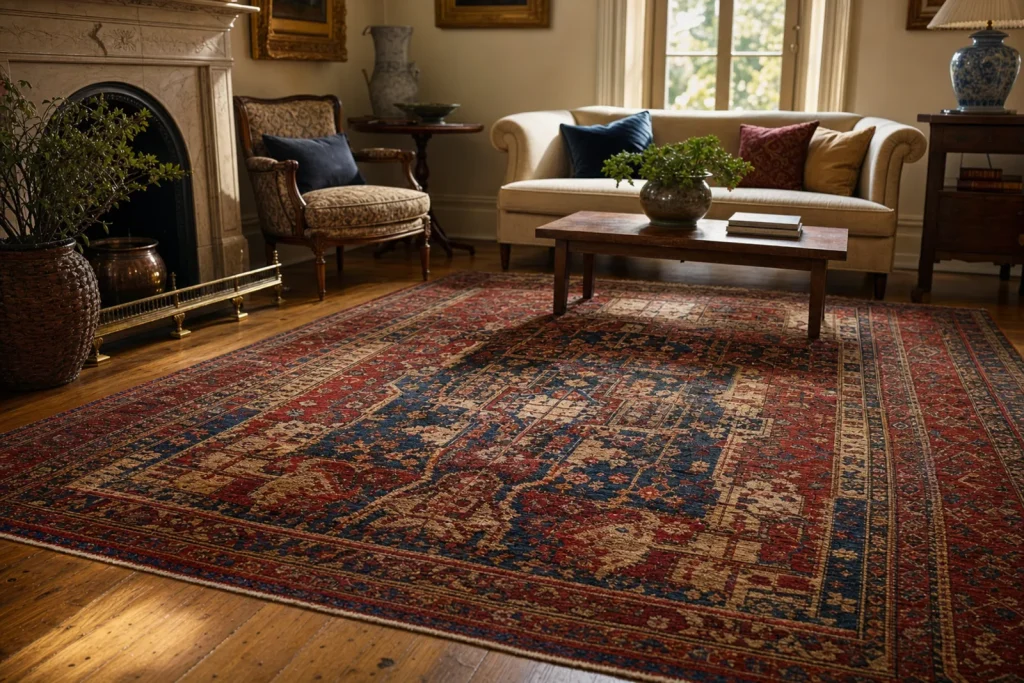
A wool Oriental rug can last a hundred years — or it can be quietly destroyed in a single season. The culprit is rarely something you catch in the act. By the time most homeowners in Mercer and Bucks County notice the bare patches and pinholes, the damage is already done. Rug moths are small, secretive, and surprisingly destructive, and the heirloom rugs and wool runners that make a home feel finished are exactly what they are after. Here is how to recognize them, stop them, and protect the rugs you cannot replace.
What are rug moths?
“Rug moths” is the common name for two species of clothes moth: the webbing clothes moth (Tineola bisselliella) and the casemaking clothes moth (Tinea pellionella). Despite the name, the adult moths you occasionally see fluttering across a room are not the problem. They do not even have functioning mouthparts to eat fabric. The damage is done entirely by their larvae.
An adult female lays 40 to 50 eggs in a quiet, undisturbed spot — the underside of a rug, the dark gap beneath a sofa, the back corner of a closet. When those eggs hatch, the larvae begin to feed, and they feed on one thing in particular: keratin, the protein found in animal fibers. That makes wool, silk, cashmere, fur, and feathers their preferred diet. To a clothes moth larva, a hand-knotted wool Oriental rug is a buffet.
How to spot a rug moth infestation
Because the larvae do their work out of sight, most infestations are found by their evidence rather than the insects themselves. Watch for:
- Irregular holes and threadbare patches, often concentrated along edges or in areas hidden under furniture.
- Fine, sand-like grit the same color as the rug — this is frass, the larvae’s droppings, and it is one of the clearest early signs.
- Silky webbing or small tube-shaped cases woven into the pile, where larvae shelter while they feed.
- Shed larval skins or tiny cream-colored larvae tucked down in the fibers.
- Small moths, about a quarter-inch long, buff or golden in color, with a weak, fluttering flight. They avoid light and tend to run or hide rather than fly toward a lamp — which is exactly why they are so easy to miss.
Because moths prefer dark, still areas, the earliest damage almost always happens where you cannot see it: the section of rug under the bed, the runner beneath a hall console, the corner behind an armchair. Lifting the rug and inspecting both the back of it and the floor underneath is the single best way to catch a problem before it spreads.
Why wool and silk rugs are most at risk
Synthetic carpet — nylon, polyester, olefin — contains no keratin, so clothes moths have no interest in it. The rugs at risk are the valuable ones: wool, silk, and natural-fiber blends, especially older hand-knotted Orientals and antiques. The very qualities that make these rugs worth owning — dense natural pile and decades of life — are what make them vulnerable.
Humidity makes everything worse. Moth larvae thrive in warm, humid, undisturbed conditions, which is why infestations often take hold in basements, low-traffic guest rooms, and the older homes common around Princeton, Bordentown, and Lambertville, where rugs may sit untouched for months at a time. A beautiful rug that never moves is, unfortunately, the ideal habitat.
The damage: how a moth quietly ruins a rug
The larval feeding stage can last anywhere from a few weeks to several months, depending on temperature and humidity, and that is the entire window in which a rug is being eaten. The larvae graze along the pile, severing the wool fibers at the base, which is why moth damage often looks like the rug has been shaved in patches rather than simply worn down.
Left long enough, the larvae work their way into the foundation of the rug — the knots and warps that hold everything together. Surface damage can sometimes be rewoven; foundation damage is far harder and more expensive to repair. That is why catching an infestation early matters so much: the difference between a quick treatment and a major restoration is often just a few months of unnoticed feeding.
How to prevent rug moths
Prevention comes down to one idea: clothes moths need dark, dirty, undisturbed fibers, so take those conditions away.
- Vacuum regularly and thoroughly, including the fringes, the edges, and — at least a few times a year — the back of the rug and the floor beneath it.
- Rotate and lift your rugs. Simply disturbing the still, dark areas where moths like to lay eggs disrupts their lifecycle.
- Air rugs out in the sun when you can. Larvae dislike light and movement, and a few hours outside is a simple deterrent.
- Keep indoor humidity down, especially in basements and storage areas, with a dehumidifier if needed.
- Never store a dirty rug. Food residue, skin cells, and pet dander are what attract egg-laying moths in the first place. Clean rugs before storing them, wrap them properly, and check on them periodically.
- Schedule professional cleaning for wool and silk rugs every one to two years. It is the most reliable way to remove eggs and larvae before they hatch.
Cedar blocks and lavender sachets can help repel adult moths, but treat them as a supplement, not a solution — they will not kill eggs or larvae that are already in the rug.
What to do if you already have moths
If you find active signs, act quickly and methodically:
- Isolate the rug if you can, so larvae and eggs do not spread to other textiles nearby.
- Vacuum the rug, the pad, and the surrounding floor thoroughly, then seal and dispose of the vacuum bag or empty the canister outside — it now contains live eggs and larvae.
- Freezing can help for smaller pieces. Sustained sub-freezing temperatures kill larvae and eggs, though it is impractical for large room-size rugs.
- Do not rely on a single surface spray. It may kill what it touches while missing the eggs deep in the foundation, leaving you with a repeat infestation in a few weeks.
- Have the rug professionally cleaned, and treat the area where it was sitting, since eggs are often left behind on the floor and pad.
When to call a professional
A clothes-moth infestation in a valuable rug is one of those problems where do-it-yourself measures often only buy time. A professional deep cleaning removes the eggs, larvae, and the soil they feed on all at once, and a trained inspector can tell you how far the problem has actually spread — including into rugs and upholstery you have not checked yet.
AllState Cleaning has cared for wool, silk, and antique rugs across Mercer County, NJ and Bucks County, PA since 1989. As an IICRC Certified Master Restorer and Senior Carpet & Textile Inspector, we use a certified-organic, low-moisture process that is gentle on delicate dyes and foundations but thorough enough to break the moth lifecycle — with no harsh chemical residue left behind in your home. If you have spotted the signs, or you simply want to protect a rug before anything starts, our area and Oriental rug cleaning service is the place to start.
Frequently asked questions
No. Clothes moths don't bite or carry disease, and they don't harm pets. The damage is strictly to natural-fiber textiles, though the larvae and frass can trigger mild allergies in sensitive people.
Often, yes. A skilled rug specialist can reweave or repair damaged pile, especially if the foundation is intact. It's far easier and cheaper, though, to stop an infestation early than to restore one later.
Mothballs can repel and kill moths inside a sealed container, but they're toxic, leave a lasting odor, and aren't safe or practical for a rug in a room where kids and pets spend time.
They can help repel adult moths, but they won't kill the eggs or larvae already in a rug or stop an active infestation. Use them as a supplement to regular cleaning, not a cure.
A deep, certified-organic cleaning removes the eggs, larvae, and the soil they feed on in one pass, and a textile inspector can identify how far the problem has spread before it reaches other rugs and upholstery.
Every one to two years for rugs in regular use, and always before long-term storage. Consistent cleaning is the best long-term defense against moths.